Lionel Road Brentford man and van tips for narrow driveways
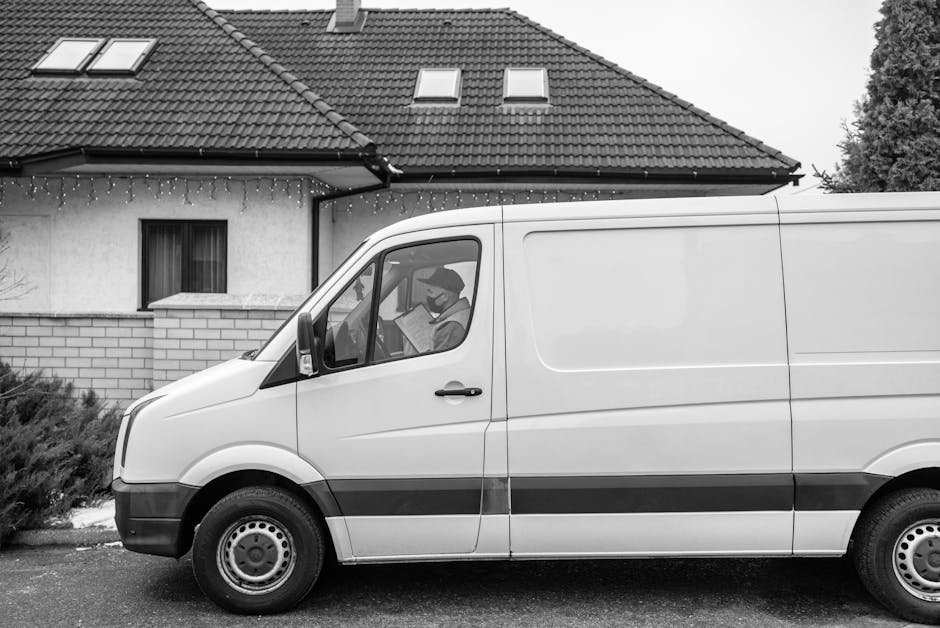
If you are trying to organise a move around Lionel Road in Brentford, the driveway can be the part that makes or breaks the day. A man and van service sounds simple enough until you realise the turning space is tight, the gatepost is awkward, and the van cannot just roll up like it can on a wide suburban road. That is exactly where Lionel Road Brentford man and van tips for narrow driveways become genuinely useful.
In this guide, we will walk through what matters, how the move works in real life, and the small decisions that save time, stress, and the occasional scratched wing mirror. You will also find a practical checklist, a comparison table, and a realistic example from a typical Brentford moving day. Nothing overcomplicated. Just the stuff that helps when the pavement is narrow and the clock is ticking.
Table of Contents
- Why Lionel Road Brentford man and van tips for narrow driveways Matters
- How Lionel Road Brentford man and van tips for narrow driveways Works
- Key Benefits and Practical Advantages
- Who This Is For and When It Makes Sense
- Step-by-Step Guidance
- Expert Tips for Better Results
- Common Mistakes to Avoid
- Tools, Resources and Recommendations
- Law, Compliance, Standards, or Best Practice
- Options, Methods, or Comparison Table
- Case Study or Real-World Example
- Practical Checklist
- Conclusion
- Frequently Asked Questions
Why Lionel Road Brentford man and van tips for narrow driveways Matters
Lionel Road and the surrounding Brentford streets can be awkward for vehicle access, especially where driveways are narrow, shared, or bordered by walls, railings, bins, and parked cars. A move that looks straightforward on paper can become a stop-start puzzle once a van arrives and there is barely room to swing in or reverse out.
This matters for three very simple reasons. First, access affects safety. Second, it affects time. Third, it affects cost. If the van cannot park close to the property, every box, sofa, and mattress has to be carried further. That extra distance adds effort, and effort adds minutes. Minutes add stress. You know how it goes.
For local moves in Brentford, narrow driveways are rarely just a one-off inconvenience. They shape the whole moving plan. They influence the size of van you need, whether you should book a second person, whether parking needs to be arranged in advance, and whether fragile or bulky items need special handling. To be fair, that is the sort of detail people often only think about on moving day itself. Usually at the exact moment the van is already there.
There is also a neighbourhood factor. Brentford has a mix of older homes, newer developments, and access arrangements that vary from street to street. A wide van may be fine on one property and completely unsuitable for the next. So the smarter approach is to plan for the driveway you actually have, not the one you wish you had.
How Lionel Road Brentford man and van tips for narrow driveways Works
In practical terms, a man and van move for a narrow driveway works by reducing the number of risky manoeuvres and shortening the distance between the property and the vehicle. The driver usually assesses access before arrival or on arrival, then decides where the van can safely stop without blocking traffic, clipping walls, or trapping other vehicles in.
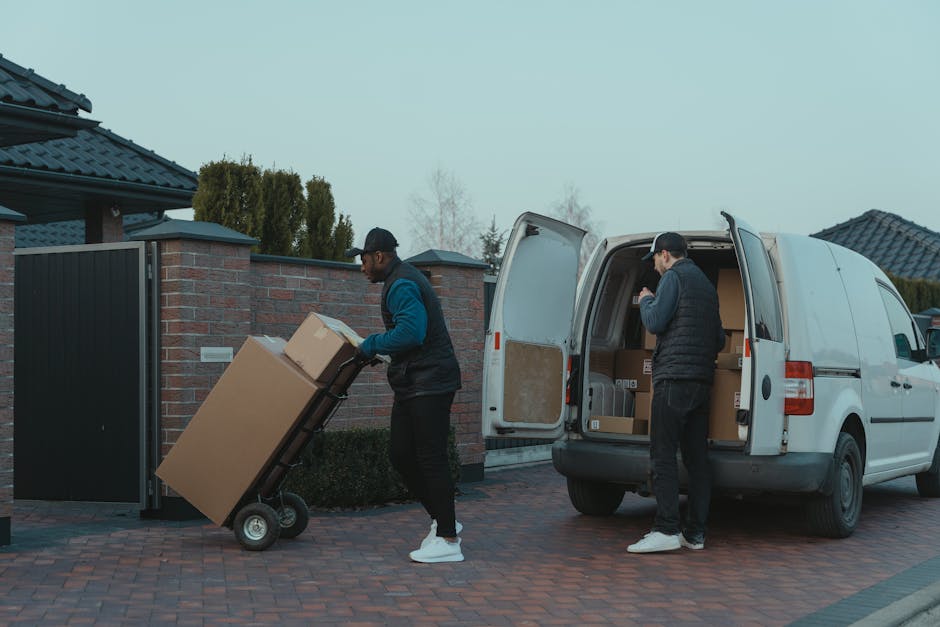
If the driveway is too narrow for direct parking, the move becomes a carry-and-load operation from the closest safe point. That might be the curb, a side street, or a small lay-by nearby. Sometimes that is all it takes. Other times, it means splitting the job into smaller loads so the path stays clear and the team can move quickly without jamming the entrance.
Here is the part many people miss: the driveway itself is only one issue. The real question is the whole access route. Can the van turn in? Is there enough room to reverse? Are there low branches, tight corners, bollards, or steps? Is the pavement uneven? A driveway can look usable until you stand there with a 4.2m van and realise the angle is wrong. Slightly annoying, yes, but very common.
That is why good man and van planning involves a few checks ahead of time:
- measuring entrance width and height clearance
- checking the turning circle and reversing space
- looking at the load path from door to vehicle
- identifying parking restrictions or obstructions
- matching the van size to the property access
When those checks are done properly, the move feels calmer. Less dithering, fewer corrections, less "can you just move it a bit?" Every little bit helps.
Key Benefits and Practical Advantages
Using the right approach for a narrow driveway does more than protect paintwork. It makes the whole move smoother and often cheaper in practical terms, even if the service rate itself stays the same.
- Less risk of damage: Tight access increases the chance of knocking mirrors, scraping gates, or catching corners on brickwork. Careful positioning reduces that risk.
- Faster loading: If the van is parked in the right place, items move in shorter, cleaner runs.
- Better handling of large items: Sofas, wardrobes, beds, and appliances are easier to manage when the route is clear and not awkwardly angled.
- Lower stress on moving day: Good planning means fewer surprises. And let's face it, moving day already comes with enough surprises.
- More accurate quoting: A team that understands the access properly can estimate labour and time more realistically.
There is also a subtle benefit that people often overlook: better communication. Once everyone knows the driveway is tight, the driver, helpers, and homeowner can all work to the same plan. No one is guessing. No one is improvising with a heavy wardrobe in one hand and a key in the other. That kind of calm coordination is worth a lot.
Expert summary: narrow driveways do not have to derail a move, but they do require clearer planning than a typical roadside load. The more exact you are about access, the smoother the day tends to feel.
Who This Is For and When It Makes Sense
This topic matters if you live or move around Lionel Road in Brentford and your property access is anything less than generous. That includes terraced homes, older properties with small front drives, flats with shared access, and homes where another car, bin storage, or a wall cuts down the space.
It also makes sense if you are moving items rather than an entire household. A one-bedroom flat, a student move, or a furniture pick-up can still run into driveway issues if the vehicle is too large for the space. In fact, smaller jobs can be even trickier because people sometimes assume they need less planning. They often do not.
These tips are especially relevant if you are:
- moving house on a street with tight parking and narrow access
- booking a man and van for furniture or white goods
- arranging a small flat move or student relocation
- trying to avoid blocking neighbours or taking up the whole road
- working around limited time, such as an end-of-tenancy handover
If you are moving an office, studio, or home workspace, the same logic applies. Access is access. A desk does not care whether it is going into a flat or a home office; it still has to fit through the route. That sounds obvious, but in the rush of organising boxes, obvious things get missed all the time.
Step-by-Step Guidance
The easiest way to think about a narrow-driveway move is to break it into planning, access, loading, and departure. Not glamorous, but very effective.
-
Measure the driveway and entrance.
Check the width at the narrowest point, including any gate posts, pillars, bins, or parked vehicles that reduce the usable space. If you can, note whether the surface is level or sloped. A small slope can make loading ramps and heavy items trickier than expected.
-
Map the approach route.
Think about how the van will arrive, turn, and leave. Is there space to swing in without a multi-point turn? Could another vehicle block the route? Sometimes the issue is not the driveway itself but the approach road leading to it.
-
Choose the right van size.
A smaller van is not automatically better, but in narrow-access areas it can be the safer call. A slightly smaller vehicle may save time by getting closer to the door. If the van can park properly, the move usually feels easier overall.
-
Clear the loading path before the van arrives.
Move bins, bikes, plant pots, and anything else that can snag or narrow the route. If you are still packing while the driver waits, the driveway quickly becomes a bottleneck. Nobody wants that little dance where everyone is stepping around a box of lampshades.
-
Protect the edges and contact points.
Use blankets, corner protectors, or simple padding where items might brush against walls or railings. This is especially useful for awkward turns or older properties where a small scrape would be hard to ignore.
-
Load the heaviest items first, if access allows.
In many cases, starting with the bulky pieces makes the van easier to pack and reduces double handling. But if the route is very tight, smaller items may need to go first to keep the path clear. The right order depends on the space.
-
Plan the exit before you start.
Always leave enough room for the van to leave safely. It sounds basic, but people sometimes focus so much on arrival that departure becomes an afterthought. Then the van is boxed in by another car and everybody is doing a slightly strained shuffle.
A good rule of thumb is this: if you are unsure whether the van can fit, assume it will be harder than you think and prepare accordingly. That does not mean panic. It just means planning with a cool head.
Expert Tips for Better Results
In our experience, the smoothest narrow-driveway moves are the ones where someone takes five quiet minutes before the van arrives and looks at the space properly. Not a quick glance. A proper look. You can tell a lot by standing where the driver will have to position the vehicle.
Here are some practical tips that make a real difference:
- Use a spotter if possible. One person guiding the driver is better than three people shouting different instructions. Simple and true.
- Keep the route as straight as possible. Every extra turn increases the chance of a bump or a pause.
- Bundle items sensibly. Small grouped boxes are easier to carry along a tight path than loose items scattered in the hallway.
- Protect the floor. If the path runs over wooden flooring, tiles, or a soft surface, use covers or old blankets to reduce scuffs and drag marks.
- Check for low branches or overhanging fixtures. It is easy to forget height as well as width.
- Keep keys, permits, and contact numbers ready. One missing detail can slow everything down at the worst possible moment.
Another useful habit is to treat the driveway like a temporary work zone. That means no random clutter, no open doors getting in the way, and no last-minute "I just need to grab this one thing" trips across the route. Movement should be deliberate. Not frantic.
If you are arranging a more complex move, it can also help to read up on related planning topics such as parking suspensions for removals vehicles and access problems in Brentford flats and fixes. Different property types bring different headaches, and access is usually one of them.
Common Mistakes to Avoid
Most problems with narrow driveways are avoidable. The same few mistakes come up again and again, and they are usually very fixable once you know what to look for.
- Booking the wrong van size: Too large and it cannot position safely; too small and you end up doing extra trips.
- Not checking for hidden restrictions: Low walls, tight corners, overhead branches, and parked cars can matter more than the driveway width alone.
- Leaving access prep until the van arrives: A few bins or bikes in the way can slow the whole move. Oddly enough, it is rarely the big furniture that causes the first delay.
- Ignoring neighbouring properties or shared access: Shared drives need a bit more courtesy and coordination.
- Assuming the driver can simply "make it work": Skilled drivers are very good, but physics is still physics.
- Forgetting the exit route: A van that gets in awkwardly may be harder to get out than to bring in.
One of the sneakiest mistakes is underestimating the time needed for loading. If the route is narrow, each journey between the house and van takes longer. People often notice this only after the second or third trip when the energy starts to dip. That is where a bit more planning saves the afternoon.
And yes, it is normal to feel slightly overwhelmed by it all. Moving is messy. It just is. The trick is keeping the mess organised enough that it does not run the day.
Tools, Resources and Recommendations
You do not need specialist kit for every move, but a few practical tools make narrow-driveway jobs much easier. Think in terms of control, protection, and visibility.
- Measuring tape: Useful for checking gate widths, hallway clearance, and furniture dimensions.
- Furniture blankets: Helpful for protecting corners and wall contact points.
- Gloves with grip: Better control when carrying awkward items, especially in damp weather.
- Rope, straps, or tie-downs: Handy for securing loads inside the van so items do not shift.
- Floor protection: Good for preserving entryways and smooth indoor routes.
- Marker labels: Makes boxes easier to sort when the carry distance is longer than normal.
For some moves, it makes sense to pair access planning with other services. For example, if the move includes packed boxes and bulky furniture, a service such as packing and boxes can make the load more manageable. If you are shifting a single large sofa or a bed frame, furniture removals may be the more sensible route.
And if the move is happening quickly, you may want to read about same-day removals so you understand the extra pressure that narrow access can put on timing. Sometimes speed is the goal, but not at the expense of safety. No one needs a rushed corner turn that goes sideways, literally or otherwise.
Law, Compliance, Standards, or Best Practice
For a local man and van move, the most relevant compliance issue is usually practical rather than legal: safe access, safe loading, and sensible parking. In London, parking and loading arrangements can vary by street and time of day, so you should treat any access plan carefully and confirm what is allowed before the move. If a driveway is shared or the van may need to stop on the road, it is wise to plan that in advance rather than assuming there will be enough space on the day.
Best practice also includes protecting people and property during loading. That means not overloading the van, not lifting items in a way that risks injury, and not forcing oversized items through a route that is clearly too tight. A safe move is almost always the right move. Not fancy. Just right.
Good operators normally carry appropriate insurance and work with moving practices that reduce the risk of damage. If you are comparing providers, it is reasonable to ask about handling methods, vehicle suitability, and how they approach tight access. If they sound vague, that is worth noticing. Vague is not what you want when there is a wall on one side and a wing mirror on the other.
For a broader understanding of company standards, you can review information such as insurance and safety, terms and conditions, and health and safety policy. These pages matter because they explain the level of care, accountability, and expectations you should look for before booking.
Options, Methods, or Comparison Table
Not every narrow-access move needs the same approach. The right choice depends on how tight the driveway is, how many items you have, and how much time you can spare.
| Method | Best for | Strengths | Limitations |
|---|---|---|---|
| Small van close parking | Very narrow drives and short moves | Easy to position, lower access risk, quick loading if the route is clear | May need more trips if the load is large |
| Mid-size van with curbside loading | Moderate access with nearby roadside space | Good balance of capacity and manoeuvrability | Requires more carrying distance |
| Two-person carry plan | Heavy, awkward, or fragile items | Better control, less strain, faster handling of bulky furniture | Higher labour demand than a solo load |
| Split-load move | Homes with very tight or shared access | Reduces congestion, easier to manage around obstacles | Can take longer overall |
The best choice is not always the biggest van or the fastest plan. It is the one that gets the job done without creating extra problems. Sometimes the smart move is the smaller vehicle and one more trip. A bit boring, maybe, but very effective.
Case Study or Real-World Example
Picture a typical move near Lionel Road: a two-bedroom flat with a short but narrow driveway, a brick wall on one side, and a neighbour's car parked just a little too close on the other. The household has a sofa, a bed, six medium boxes, a mirror, and a washing machine. Nothing extreme, but enough to cause a headache if nobody thinks ahead.
Instead of trying to reverse a larger van fully onto the drive, the move is planned around roadside parking a few metres away. The route is cleared before the van arrives. Bins are moved. A bike is shifted. The entrance is checked for loose gravel and a small slope near the threshold. That sounds minor, but on a wet morning at about 8:15, it matters more than people expect.
The result? Fewer awkward angles, less pressure on the doorway, and safer handling of the sofa. The team moves in a steady rhythm: box, return, box, return. Not rushed. Not slow. Just controlled. By the end, the driveway is still intact, the wall has not met a wing mirror, and nobody has had to invent a new set of instructions halfway through.
That is really the point. Narrow access does not need drama. It needs planning and a bit of patience. Truth be told, most access issues are solved before the van even arrives.
Practical Checklist
Use this quick checklist before moving day. It is simple, but it catches a lot of the avoidable problems.
- Measure the driveway width and note the narrowest point
- Check height clearance for branches, gates, and canopies
- Confirm where the van will stop if it cannot enter the drive
- Clear bins, bikes, pots, and temporary clutter from the route
- Make sure the path from door to van is as straight as possible
- Protect walls, floors, and corners where items may brush past
- Decide whether a smaller van would be easier to position
- Keep keys, parking notes, and contact details ready
- Tell the driver about any slope, step, or tight corner in advance
- Have a backup plan if roadside access is blocked
Quick takeaway: if you prepare the access route properly, the actual loading becomes much less stressful. Narrow driveways are a challenge, yes, but they are a manageable one when everyone knows the plan.
For a closer look at pricing, timing, and what affects overall cost, it can also help to review pricing and quotes. And if you are comparing different move types, the broader service pages for removal services and home moves may help you decide what level of support you actually need.
Conclusion
Lionel Road Brentford man and van tips for narrow driveways come down to one big idea: treat access as a core part of the move, not a side issue. If the driveway is tight, the right van size, the right route, and the right loading plan matter more than ever. That is how you save time, reduce strain, and avoid those awkward last-minute changes that can throw the whole day off balance.
If you plan ahead, communicate clearly, and respect the limits of the space, a narrow driveway does not have to be a problem at all. It just becomes part of the job. And honestly, that is usually enough.
Get a free quote today and see how much you can save.
When the access is sorted, the rest tends to fall into place. A calm move is still possible, even on a tight Brentford driveway.
Frequently Asked Questions
Can a man and van service work with a very narrow driveway?
Yes, usually it can. The key is choosing the right van size and planning where the vehicle will stop if it cannot enter the driveway fully. In many cases, roadside loading from the nearest safe point is the better option.
What measurements should I take before booking?
Measure the width of the driveway at its narrowest point, note the height clearance, and check any turns or tight corners on the way in. It also helps to measure bulky furniture so you know what needs special handling.
Is a smaller van always better for narrow access?
Not always. A smaller van may fit more easily, but if you have a lot of items, extra trips can take longer overall. The best choice balances access, capacity, and loading distance.
What if there is no parking right outside the property?
That is common on tighter Brentford roads. A good plan is to identify the nearest legal and safe stopping point in advance and work from there. It is better to carry items a short distance than to risk unsafe parking.
How can I protect my walls and gateposts during loading?
Use blankets, padding, or corner protection where items could brush against surfaces. Also keep the route clear and avoid trying to turn large items through space that is clearly too tight.
Do I need to tell the mover about the driveway in advance?
Yes, absolutely. The more accurate the access information, the better the van can be matched to the job. A quick photo or a clear description can save a lot of hassle later.
What items are most difficult on a narrow driveway?
Large sofas, wardrobes, mattresses, and appliances tend to be the awkward ones. They are bulky, can catch on corners, and often need two people to move safely and steadily.
How long does a narrow-driveway move usually take?
It depends on the amount of furniture, the carry distance, and how well the route is prepared. A tight access move can take longer than expected, especially if items need to be moved in smaller loads.
Can the move still be done if the driveway is shared?
Yes, but shared access usually needs more coordination. You should make sure neighbours or other users of the drive are aware of the timing and that there is enough room for the van to load safely.
What should I do if a neighbour has parked too close?
Try to plan for the access you actually have on the day. If the space is too tight, you may need to use a different parking position or adjust the loading approach. It is one of those situations where a backup plan is very handy.
Are narrow driveway moves more expensive?
They can be, mainly because they may take longer or require extra labour. That said, the cost depends on many factors, including van size, item count, distance, and how easy the access is. A clear quote should reflect those details rather than guesswork.
What is the best last-minute tip for a tight access move?
Clear the route completely before the van arrives. Remove bins, bikes, loose clutter, and anything that could narrow the path. It sounds simple, but it is often the difference between a smooth start and a frazzled one.